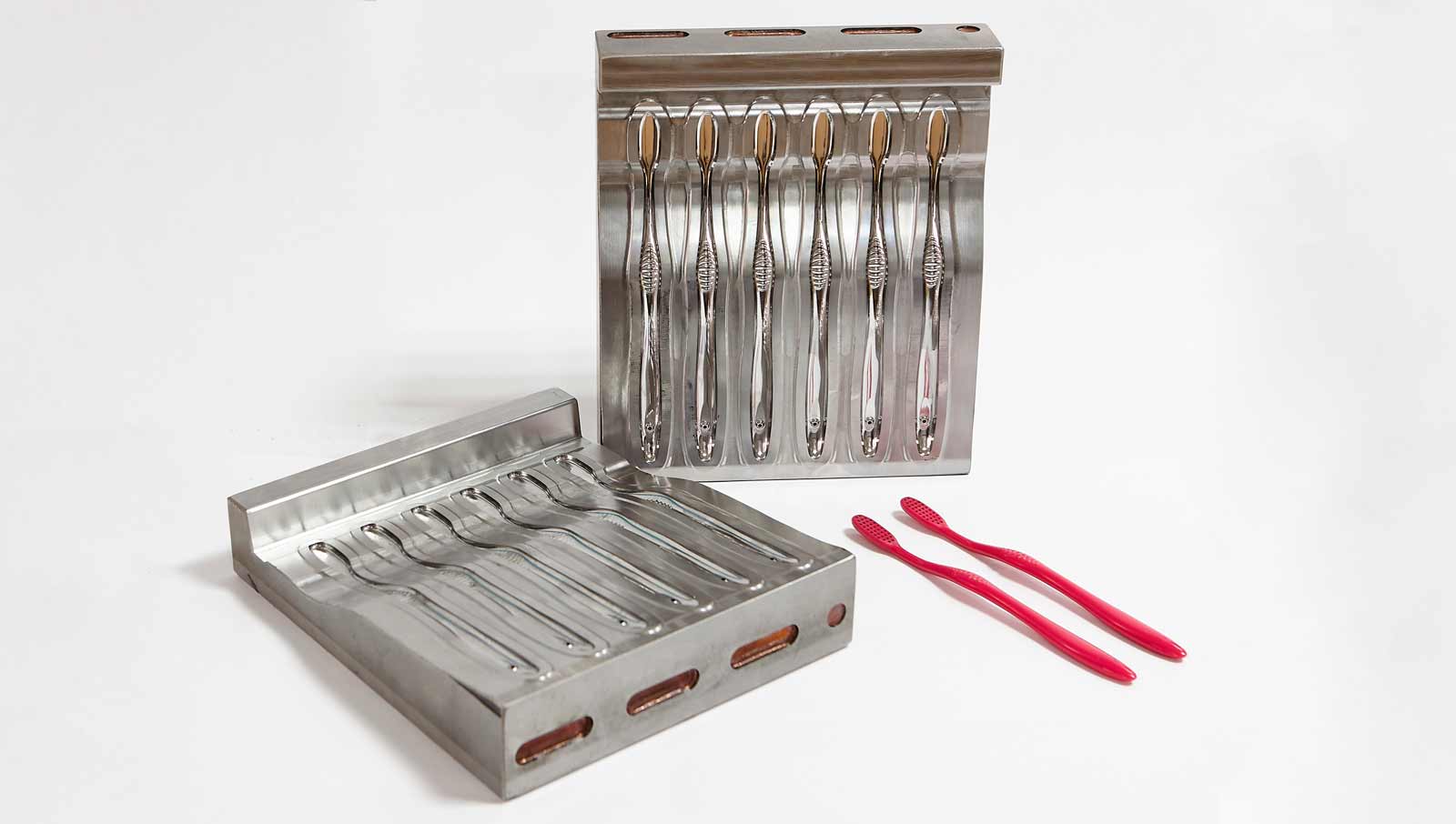
Designing cast parts is a critical stage that largely determines the success of the entire production process. The quality of the final casting depends not only on the casting technology but also on the design of the part itself. Therefore, an experienced design engineer must consider the specific requirements of casting already at the design stage.
In this article, we will review key principles and recommendations that help optimize the engineering design of cast parts - from selecting wall thickness to accounting for shrinkage and part geometry. These guidelines apply to both sand casting and die casting. Proper design improves manufacturability, reduces defects, and ensures casting accuracy, bringing the product closer to the required specifications.
Basic Principles of Cast-Part Design
1. Easy mold filling
The part should be designed so that molten metal or plastic easily flows into all mold cavities and fills them completely. Avoid overly thin or winding channels that obstruct flow. A well-designed gating system ensures uniform mold filling.
2. Uniform and rapid solidification
The design should promote uniform cooling of the casting throughout its volume. Consistent wall thickness and smooth transitions help prevent "hot spots" shrinkage cavities, and internal stresses.
3. Easy ejection from the mold
For easy removal, all surfaces perpendicular to the direction of ejection should have a draft angle. Undercuts should be minimized - they complicate mold construction and increase the risk of defects.
4. Minimal mold complexity
Complex internal grooves, blind holes, or decorative cavities often require additional cores and increase mold cost. A simpler design leads to more reliable and cost-effective production.
5. Realistic tolerances
Casting has inherent accuracy limitations, so it makes no sense to demand more than the process can provide. Critical surfaces should be designed with machining allowances.
Wall Thickness and Stiffening Ribs
- Wall thickness should be as uniform as possible and no more than necessary.
- Uneven thickness causes uneven cooling and may result in cracks or shrinkage defects.
- Excessive thickening provides little benefit because of potential porosity in inner layers.
Stiffening ribs
- Rib thickness: 50–60% of wall thickness.
- Rib height: up to 3× rib thickness.
- Always include draft angles and radii at the base.
Fillets and Smooth Transitions
- Avoid sharp internal corners — they create stress concentrations.
- Minimum radius: 1–3 mm or greater than 1/3 of wall thickness.
- Smooth transitions improve material flow and reduce mold wear.
Draft Angles and Mold Ejection
- Recommended draft: 1–3 degrees for walls up to 20 mm high.
- Taller elements may allow smaller drafts, but avoiding reductions is generally better.
- Drafts are often not shown on technical drawings but must be included in the 3D model.
Shrinkage, Allowances, and Machining Accuracy
- Shrinkage depends on the material:
- gray cast iron: 1–1.2%
- steel: 1.8–2%
- aluminum: 1–2.2%
- ABS: 0.5–0.6%
- polyethylene: 1.5–3%
- The designer must account for shrinkage when creating the mold.
- Surfaces requiring machining must include several millimeters of additional material.
Table: Basic Rules for Designing Cast Parts
| Rule | Explanation |
|---|---|
| Uniform wall thickness | Ensures uniform solidification and reduces risk of shrinkage and cracking. |
| Avoid massive sections | Thick areas increase the likelihood of shrinkage cavities. |
| Use ribs instead of thickening | Strengthens the design without causing defects; rib thickness is 0.5–0.6 of wall thickness. |
| Smooth radii and fillets | Minimum radius — 1 mm; reduces stress concentration. |
| Draft angles 1–3 degrees | Simplify ejection and reduce edge damage. |
| Account for shrinkage | The mold is made larger by the shrinkage percentage of the material. |
| Machining allowances | Critical surfaces are designed with additional material. |
| Proper gating design | Massive areas should be located closer to injection points. |
Conclusion
Proper design for casting ensures good mold filling, uniform solidification, and minimal defects. Accounting for shrinkage, draft angles, radii, wall thickness, and gating layout makes it possible to produce a part that closely matches the required shape and dimensions. If you need high-quality and manufacturable cast components, we can help. Our company provides a full range of services, ensuring high precision, repeatability, and cost-efficient production.